Home / Knowledge
Visionary Knowledge

Insights for building a specialty eye-care practice.

Practical, plain-language articles on the conditions and technologies at the centre of specialty optometry.

Ortho-K · 4 min read

What is orthokeratology, and who is it for?

Orthokeratology — ortho-K — uses custom-designed rigid gas-permeable lenses worn during sleep. The lens has a "reverse geometry": a flatter centre and steeper mid-periphery that gently redistributes the outer layer of the cornea overnight. When the lens is removed in the morning, the flattened central cornea focuses light correctly and the wearer sees clearly through the day.

Continue reading →

Who benefits most

Ortho-K is popular for children with progressing myopia, where it is used as part of a myopia management plan. It also suits adults who want freedom from glasses and daytime lenses — swimmers, athletes and people working in dusty environments.

What makes a successful fit

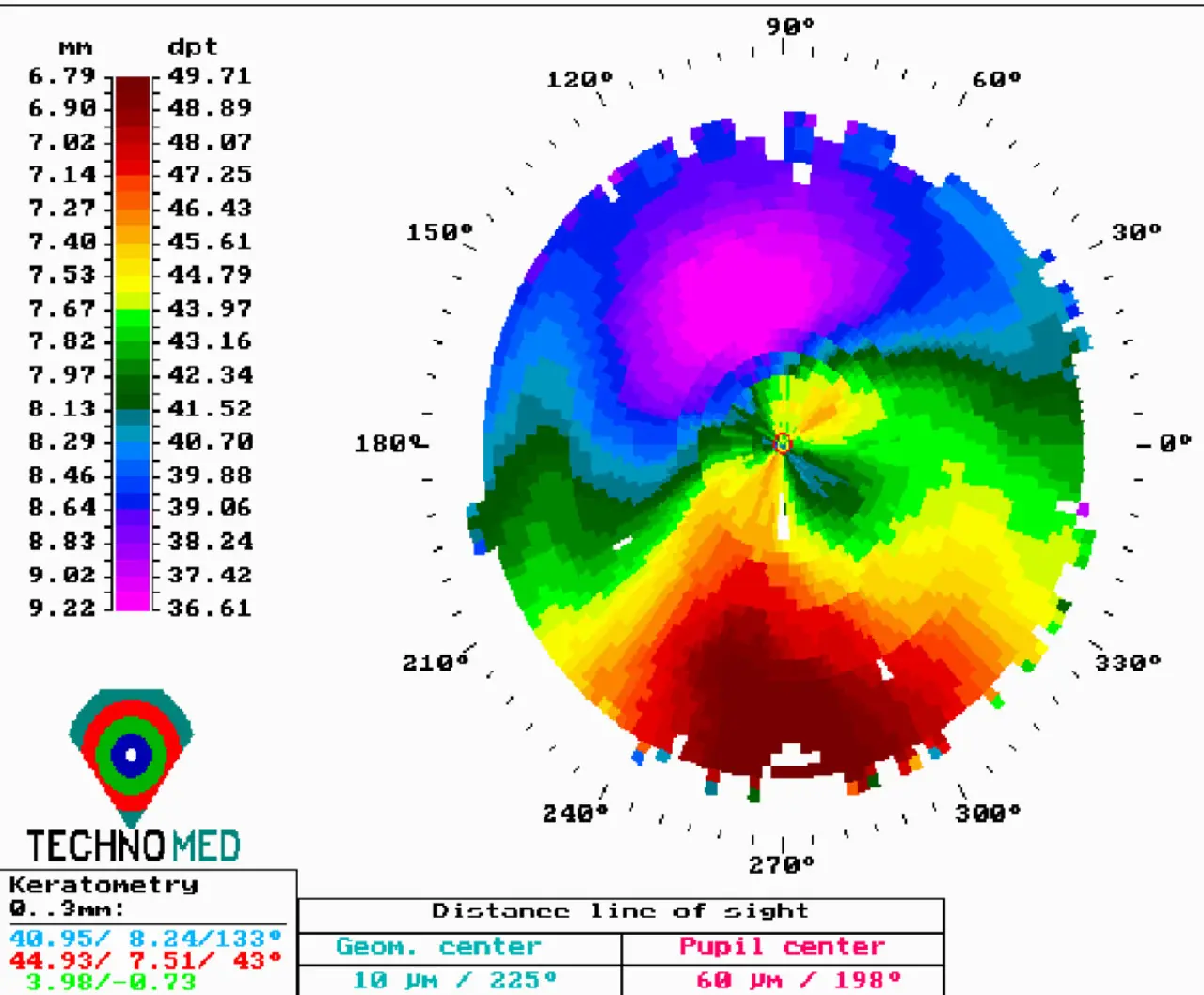
Good outcomes depend on accurate corneal topography, careful lens selection, thorough handling and hygiene education, and a disciplined follow-up schedule. The effect is reversible: if wear stops, the cornea returns to its original shape.

The safety conversation

Overnight lens wear carries a risk of infection, which is minimised by correct cleaning, never using tap water, replacing lenses and cases on schedule, and attending every check-up. Setting these expectations with parents from day one is essential.
Myopia · 5 min read

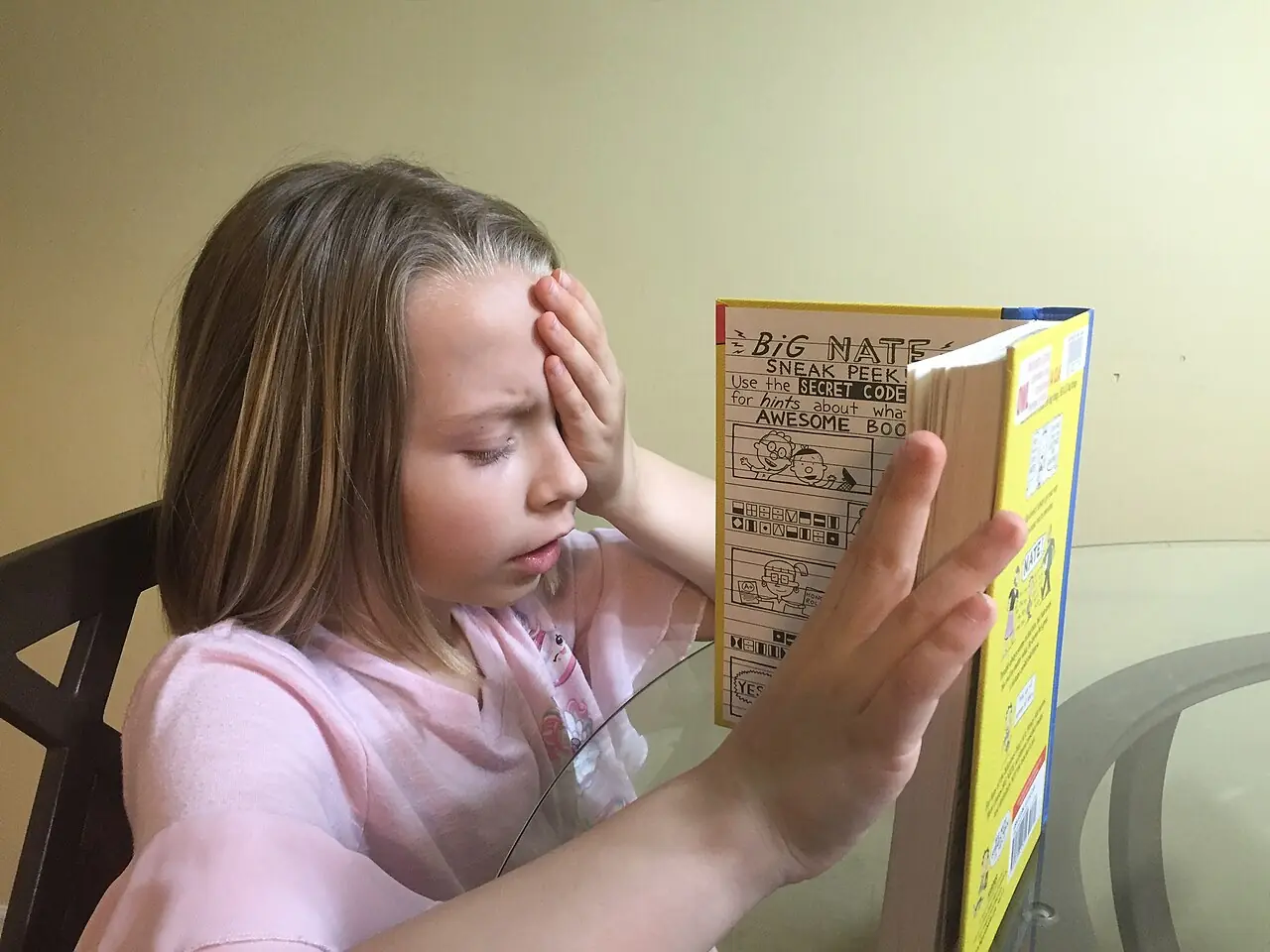
Why myopia in children is rising — and why control matters

A widely cited study by Holden and colleagues (Ophthalmology, 2016) projected that nearly half of the world's population — about 4.8 billion people — could be myopic by 2050, with close to a billion people highly myopic.

Continue reading →

What's driving it

Genetics play a role — children with myopic parents are more likely to become myopic — but the speed of the increase points to environment and lifestyle: more intensive near work, more screen time and less time outdoors in daylight.

Why every dioptre counts

Myopia usually progresses through childhood as the eye grows longer. Higher myopia is associated with greater risk of retinal detachment, myopic maculopathy, glaucoma and cataract later in life. Slowing progression in childhood can lower a child's final level of myopia.

What practitioners can do

Early detection, regular monitoring, lifestyle advice and evidence-based interventions — orthokeratology, myopia-control contact lenses or spectacles, and prescribed atropine — form the basis of a modern myopia management service.

Keratoconus & scleral · 4 min read

Scleral lenses for irregular corneas: a practical guide

Scleral lenses are large rigid lenses that land on the sclera and vault completely over the cornea. The space between lens and cornea is filled with preservative-free saline, which masks corneal irregularity and keeps the surface bathed in fluid.

Continue reading →

Key indications

Moderate to advanced keratoconus, corneal ectasia after refractive surgery, post-graft irregularity, corneal degenerations, and severe ocular surface disease where the fluid reservoir offers comfort and protection.

Fitting fundamentals

Practitioners evaluate central and limbal clearance, landing zone alignment on the sclera, and settling over time. Diagnostic fitting sets and experienced support shorten the learning curve considerably.

Patient success

Handling training — insertion with a filled bowl, bubble-free application and safe removal — is often what determines long-term success, so build time for it into the first visits.

Keratoconus · 3 min read

Keratoconus: choosing the right lens at each stage

Keratoconus is a progressive thinning of the cornea that causes it to bulge into a cone, producing irregular astigmatism and distorted vision. As it advances, glasses and standard soft lenses stop giving acceptable vision.

Continue reading →

A stepped approach

In early stages, specialised rigid keratoconus designs often restore crisp vision. As irregularity increases or rigid corneal lenses become uncomfortable, scleral lenses become the preferred option. Corneal cross-linking may be advised by an ophthalmologist to slow progression.

Monitoring matters

Regular topography helps detect progression early and guides when to change lens strategy.

Dry eye · 4 min read

Heat therapy and meibomian gland dysfunction

The meibomian glands in the eyelids produce the oily layer that stops tears from evaporating. When these glands become blocked — meibomian gland dysfunction, or MGD — the tear film breaks up quickly, causing burning, grittiness and fluctuating vision.

Continue reading →

Why heat helps

Gland secretions thicken in MGD. Warming the eyelids softens them so they can flow or be expressed more easily, which is why warm compresses are a long-standing first-line treatment.

In-clinic thermal therapy

Devices such as MiBo Thermoflo deliver consistent, controlled heat with gentle massage to the eyelids in the clinic — more consistent than home compresses alone. Home products such as heated eye masks help maintain results between visits.

Who to look for

Screen-heavy workers, contact lens wearers with end-of-day discomfort, and patients with blepharitis are common candidates for MGD screening.

Practice · 3 min read

Five steps to launching a myopia management service

Adding myopia management can bring families back to your practice year after year. Here's a simple framework to get started.

Continue reading →

1. Get trained

Build confidence in patient selection, fitting and aftercare through structured training.

2. Equip the practice

Corneal topography and trial lens sets are the foundation of an ortho-K service.

3. Define your protocol

Agree on measurement, follow-up intervals and how you'll track progression over time.

4. Educate parents

Clear, honest explanations of benefits, commitment and safety build trust and compliance.

5. Lean on your partner

Use supplier support for difficult fits, product questions and continued learning.

Vision therapy · 3 min read

Making vision therapy feel like play

Amblyopia and binocular vision treatment often fails not because it doesn't work, but because children don't stick with it. Patching can be uncomfortable and socially awkward.

Continue reading →

The engagement advantage

Game-based binocular therapy tools, such as Binoplay, turn treatment sessions into activities children enjoy, which can make it easier for families to stay on track with a prescribed programme.

Part of a plan

Digital therapy works best as part of a programme designed and monitored by an eye-care professional.

Want to go deeper?

Join the VSQUARE Academy for certified training in myopia control and orthokeratology.

Explore the Academy →